
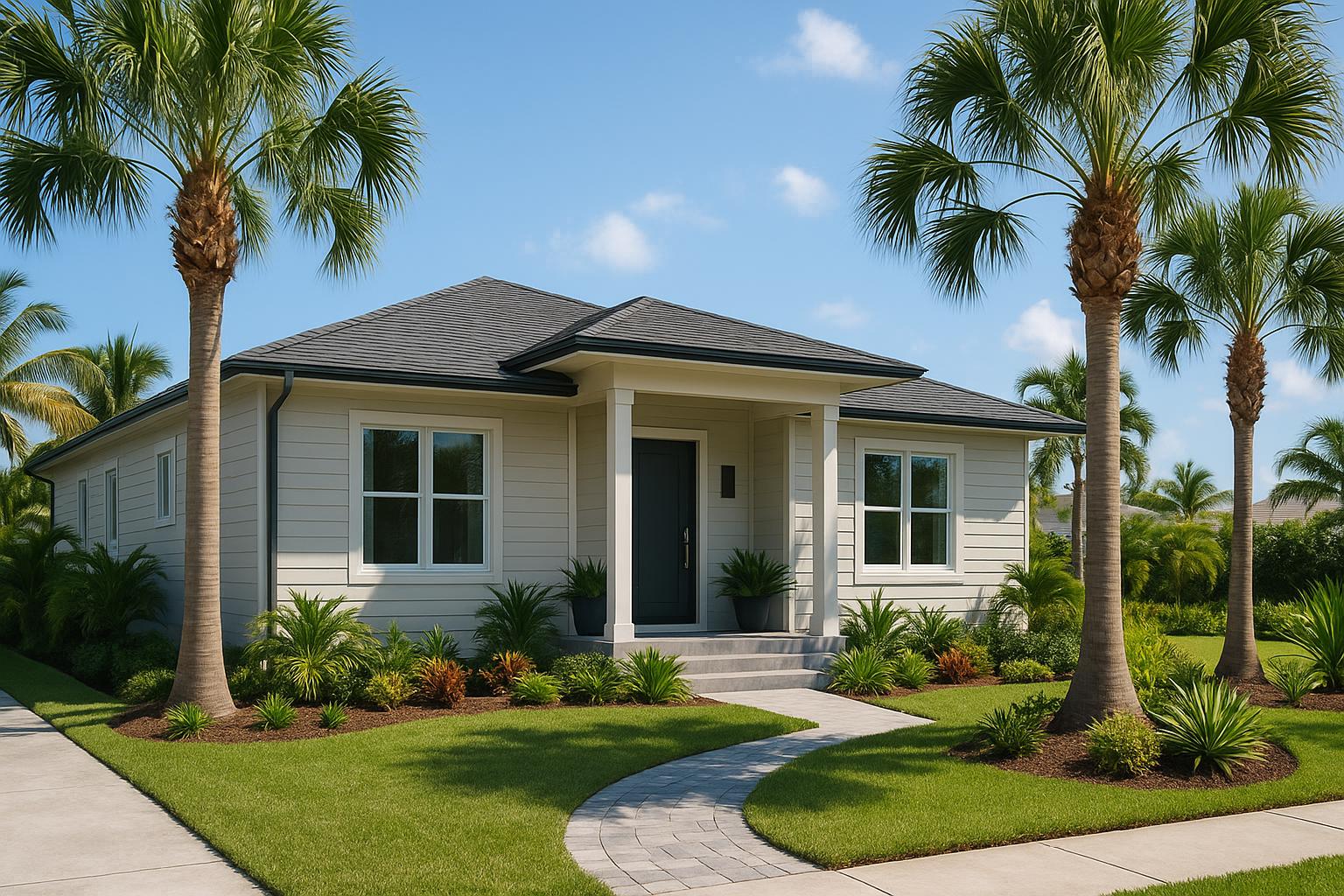
Why Siding Selection Matters More in Coastal Florida
If you own a home in Hallandale Beach, your exterior siding faces a unique combination of challenges that homeowners in other parts of the country simply don't deal with. Between the salt air, intense UV exposure, tropical storms, and high humidity, the material protecting your home's exterior needs to be tough, resilient, and well-suited to our subtropical environment.
Choosing the wrong siding can lead to premature deterioration, costly repairs, and a home that looks worn out far sooner than it should. On the other hand, selecting the right material — and having it professionally installed — can protect your investment for decades while boosting curb appeal and even improving energy efficiency.
At Crossbeam Exterior Remodeling, we help homeowners throughout Hallandale Beach navigate these decisions every day. Here's what you need to know before committing to a siding material for your home.
Top Siding Materials for Hallandale Beach Homes
Vinyl Siding
Vinyl remains one of the most popular siding choices nationwide, and for good reason. It's affordable, low-maintenance, and available in a wide range of colors and styles. Modern vinyl siding is engineered to resist fading from UV exposure and won't rot or attract termites.
However, not all vinyl siding is created equal. In a coastal environment like Hallandale Beach, you'll want to look for products rated for high wind resistance — ideally those that meet or exceed Miami-Dade County's strict building codes. Thicker gauge vinyl with reinforced nail hems performs significantly better during tropical storms.
Fiber Cement Siding
Fiber cement siding, such as James Hardie products, has become increasingly popular in South Florida. Made from a mixture of cement, sand, and cellulose fibers, this material is exceptionally durable against moisture, salt air, and impact. It's also non-combustible and resistant to termites.
Fiber cement can mimic the look of wood, stucco, or stone, giving homeowners design flexibility without the drawbacks of natural materials. The main trade-off is that it's heavier and requires professional installation to ensure proper sealing and performance. For many Hallandale Beach homeowners, the long-term durability makes it well worth the investment.
Aluminum Siding
Aluminum siding has a long history in coastal Florida homes. It handles salt air well, doesn't rot, and can be painted to match any aesthetic. It's also lightweight and relatively easy to install.
The downsides include susceptibility to denting and a tendency to oxidize over time if not properly maintained. That said, modern aluminum siding with baked-on finishes holds up much better than older versions. If you're on a budget and want reliable coastal performance, aluminum is worth considering.
Engineered Wood Siding
Engineered wood products offer the warm, natural appearance of real wood without many of its vulnerabilities. These products are treated to resist moisture, fungal decay, and insects. However, in a high-humidity environment like ours, proper installation with adequate ventilation behind the siding is critical to prevent moisture-related problems.
Stucco
Traditional stucco is extremely common throughout the Hallandale Beach area, and it performs well in our climate when properly applied and maintained. It's durable, fire-resistant, and provides a seamless look that many homeowners love. The key is ensuring that the underlying moisture barrier and lath system are correctly installed. Poorly applied stucco can trap moisture and lead to serious structural issues behind the walls.
Key Factors to Consider Before You Choose
- Wind resistance: Hallandale Beach falls within one of the strictest wind code zones in the country. Any siding material you choose must meet local building code requirements for wind uplift and impact resistance.
- Moisture and humidity tolerance: With average humidity levels regularly above 70%, your siding needs to handle constant moisture exposure without warping, swelling, or promoting mold growth.
- Salt air corrosion: Proximity to the ocean accelerates corrosion on certain metals and degrades some materials faster than expected. Always ask about salt-air ratings for any product you're considering.
- Energy efficiency: Insulated siding options can help reduce cooling costs, which is a real benefit when your air conditioning runs eight months or more per year.
- HOA requirements: Many communities in and around Hallandale Beach have homeowner association guidelines that dictate approved materials, colors, and styles. Check these before making any decisions.
The Importance of Professional Installation
Even the best siding material will fail prematurely if it's not installed correctly. In South Florida, proper installation means more than just attaching panels to your exterior walls. It involves ensuring adequate moisture barriers, correct fastener placement for wind resistance, proper flashing around windows and doors, and compliance with local building codes.
A professional remodeling consultation can help you understand exactly what your home needs. At Crossbeam Exterior Remodeling, we walk homeowners through every step — from material selection to final inspection — so there are no surprises along the way.
Signs Your Current Siding Needs Attention
Not sure if it's time to replace your siding? Here are some warning signs to watch for:
- Visible cracking or warping — This indicates the material is breaking down and no longer providing adequate protection.
- Peeling paint or bubbling — Often a sign that moisture is getting trapped behind the siding.
- Mold or mildew growth — While some surface mold is normal in Florida, persistent growth may signal deeper moisture problems.
- Increased energy bills — Damaged or deteriorating siding can compromise your home's insulation envelope.
- Soft spots or rot — If you press on your siding and it feels soft, the underlying material has likely been compromised by moisture.
- Storm damage — Missing panels, dents, or cracks after a storm should be addressed promptly to prevent water intrusion.
If you notice any of these issues, scheduling a professional remodeling inspection sooner rather than later can save you from much more expensive repairs down the road.
Making the Right Decision for Your Home
There's no single best siding material for every home. The right choice depends on your budget, aesthetic preferences, your home's existing structure, and the specific conditions your property faces. A home two blocks from the ocean in Hallandale Beach will have different needs than one further inland near the Intracoastal.
What matters most is making an informed decision based on accurate information and local expertise. That's where working with a remodeling professional who understands the specific demands of our area makes all the difference.
If you're considering new siding or need to evaluate the condition of your current exterior, Crossbeam Exterior Remodeling is here to help. We offer honest consultations, dependable scheduling, and the kind of clear communication that takes the stress out of home improvement projects. Reach out to us today to get started on protecting and transforming your Hallandale Beach home.